
Navigating Compliance Challenges in SaaS Development
In the dynamic world of Software as a Service, navigating compliance challenges is one of the most complex and critical aspects of development. As founders and product leads, you must understand not just the technical requirements, but also the regulatory landscape that governs your industry. Today, we'll share our insights on how to effectively manage compliance in your SaaS product development.
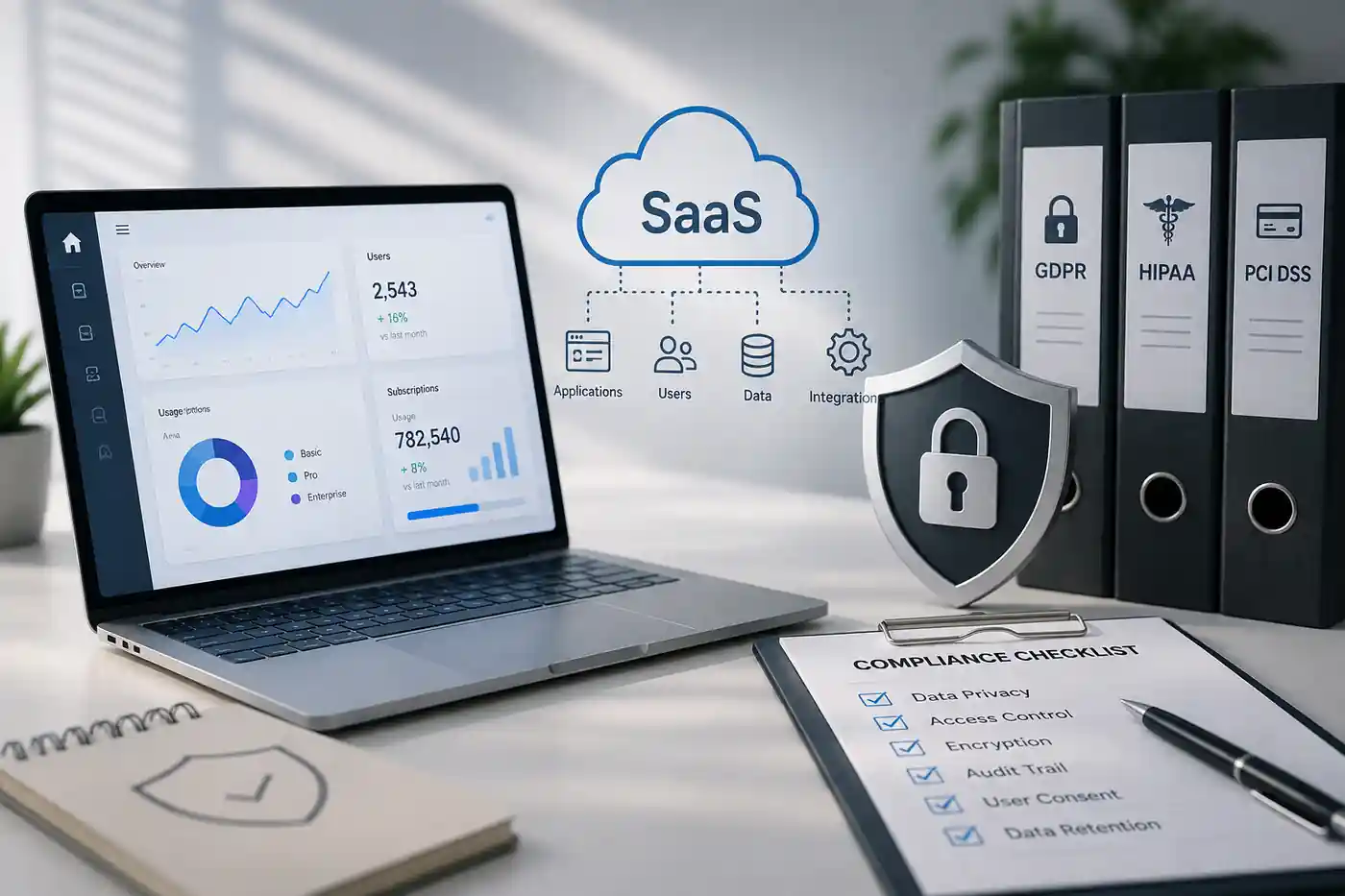
First, it is essential to identify the relevant regulations that apply to your product. Depending on your target market and industry, these could include data protection laws like GDPR or CCPA, industry-specific regulations such as HIPAA for healthcare, or PCI DSS for payment processing. Engaging legal counsel at the outset can save you time and prevent costly missteps down the line.
Next, consider building compliance into your product from the beginning. This approach is often referred to as 'compliance by design.' By integrating compliance measures early in the development process, you can avoid significant rework later. Identify the key compliance features you need to include, such as user data encryption, access controls, and audit trails. This not only ensures adherence to regulations but also builds trust with users who are increasingly concerned about data privacy.
Another critical aspect is creating a culture of compliance within your team. This involves educating your developers, designers, and product managers about the importance of compliance and how it impacts their work. Regular training sessions on compliance topics can empower your team to make informed decisions that align with regulatory requirements. Remember that compliance is not solely the responsibility of the legal department; every team member plays a vital role in maintaining standards.
Timelines and costs can also be heavily impacted by compliance. If you have not planned for compliance requirements from the outset, you may face significant delays and budget overruns. To estimate these factors accurately, consider adding specific compliance milestones in your project timeline, along with a budget allocation for compliance-related tasks. This proactive approach can help you stay on schedule and within budget, reducing the likelihood of unexpected surprises later.
Documentation is another area where we recommend investing time and resources. Keeping thorough records of your compliance processes and decisions can be invaluable if you are ever audited or need to demonstrate compliance to stakeholders. This involves not only documenting processes but also maintaining logs of user consent and data handling practices.
Finally, keep abreast of changes in regulations that could impact your product. The compliance landscape is always evolving, and staying informed will help you adjust your strategy as necessary. Engage with industry groups, subscribe to regulatory updates, and maintain a dialogue with legal experts to ensure you remain compliant as your product and the market evolve.
Overall, while compliance may seem daunting, taking a proactive, informed approach will help you navigate these challenges and position your product for success in the marketplace. If you're planning a similar project or need expert guidance, we'd be happy to help. Whether you're validating an idea, improving an existing product, or building something from scratch, our team is here to assist. Chat with us on WhatsApp for the fastest response or email us at contactus@avokado.co.
Have a project in mind?
Tell us what you're building — we'll get back to you with next steps.
Get in touch













Comments (0)
Sign in with Google to post a comment